Technyx logo TECHNYX

Case Studies

Explore real projects where we transformed ideas into powerful digital solutions. Each case study highlights our process, the challenges we solved, and the measurable results achieved for our clients.

View Projects

case study illustration
Access Control System

Access Control System

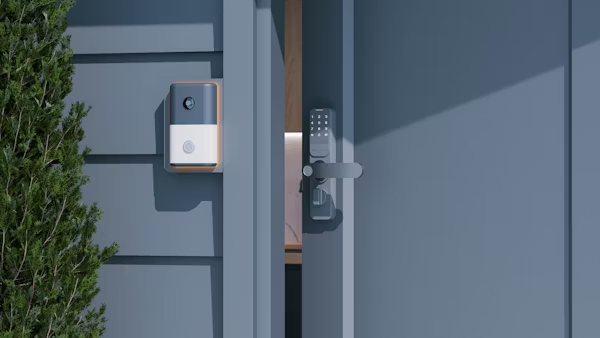
An access control magnetic lock (mag lock) system is an electronic locking solution that uses an electromagnet to secure doors. Here's how it works:
Components

  • Electromagnet: Attached to the door frame, this is the core component that creates the magnetic field.
  • Armature plate: Attached to the door, this metal plate is attracted to the electromagnet.
  • Access control system: The brain of the system, receiving input from devices and controlling the electromagnet.
  • Power supply: Provides power to the electromagnet and access control system.

Operation

  1. Authorized access: Credential verified, lock released.
  2. Electromagnet de-energized: Armature plate released.
  3. Door opens: Individual passes through.
  4. Door closes: Armature plate contacts electromagnet.
  5. Electromagnet energized: Strong magnetic field secures door.

Security Features

  • Fail-safe: Releases during power failure.
  • Monitoring: Tracks access and detects breaches.
  • Tamper-evident: Detects and responds to tampering attempts.
Access Control System

CCTV

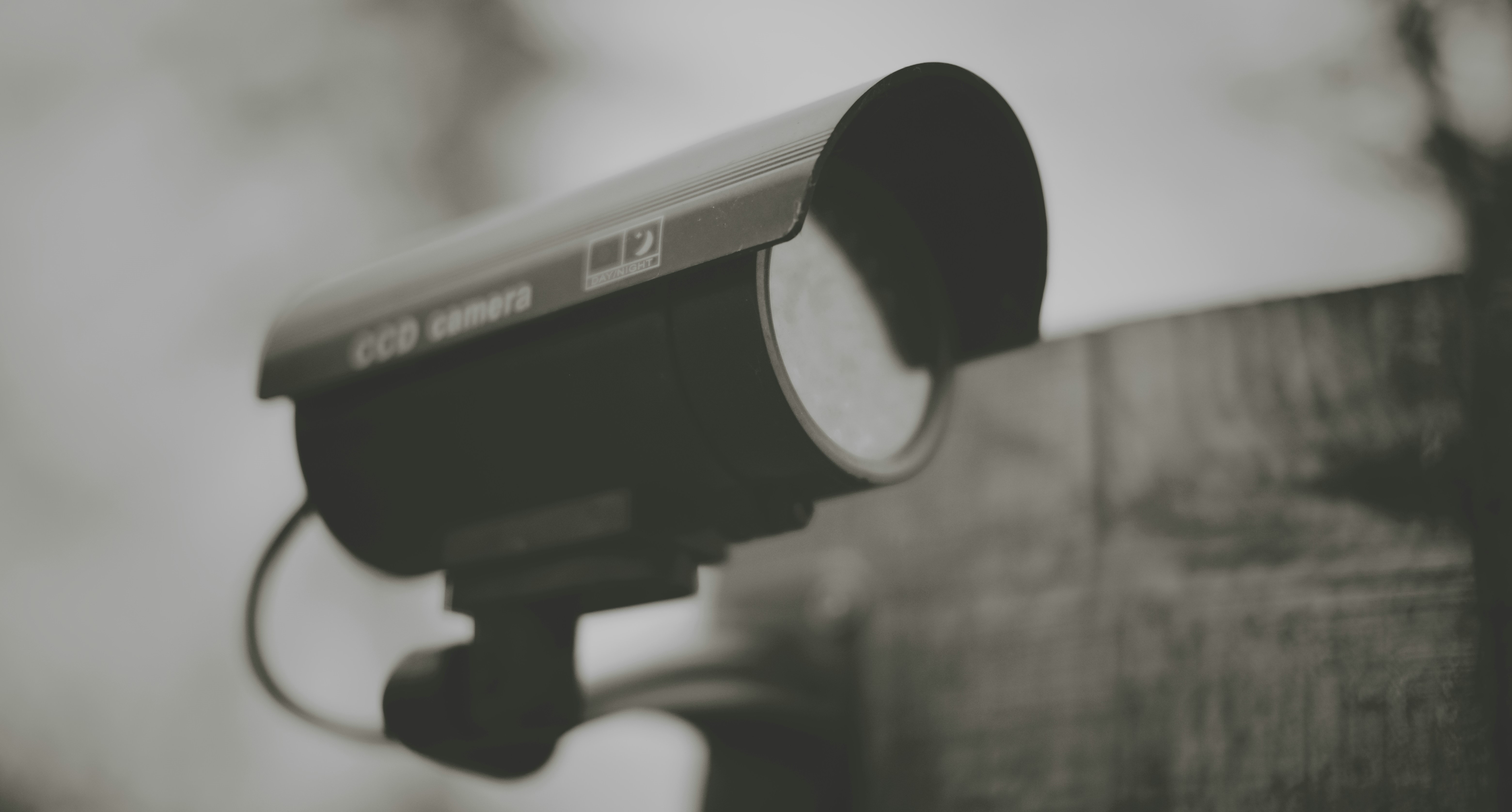
CCTV (Closed-Circuit Television) systems come in various types, each with its own set of features and applications.

Types

  • Analog CCTV: Uses coaxial cables, lower resolution, vulnerable to interference.
  • IP CCTV: High resolution, network-based, remote access.
  • Wireless CCTV: Easy install, vulnerable to hacking.
  • PTZ CCTV: Pan, tilt, zoom for wide coverage.
  • Dome CCTV: Discreet, vandal-resistant, indoor use.
  • Bullet CCTV: Outdoor, weather-resistant, long-distance viewing.
  • Hidden CCTV: Concealed for covert surveillance.
  • Night Vision CCTV: Infrared for low-light monitoring.
  • 360° CCTV: Panoramic view for large areas.
Access Control System

Burglary Alarm Systems

Functions

  • Detection: Motion, door/window, glass break sensors.
  • Alerting: Sirens, notifications to owners or monitoring services.
  • Monitoring: 24/7 monitoring, event logging.
  • Control: Arming/disarming, zone control, remote access.
  • Deterrence: Visible presence of cameras/sirens.
  • Power Management: Backup battery support.

Panic Buttons

  • Immediate Alert: Distress signals to authorities.
  • Types: Audible or silent alarms.
  • Emergency Response: Summons help, triggers extra security.
  • Accessibility: Easy to use, placed strategically.
  • Integration: Linked with CCTV and access control.
Access Control System

Fire Alarms

Detection

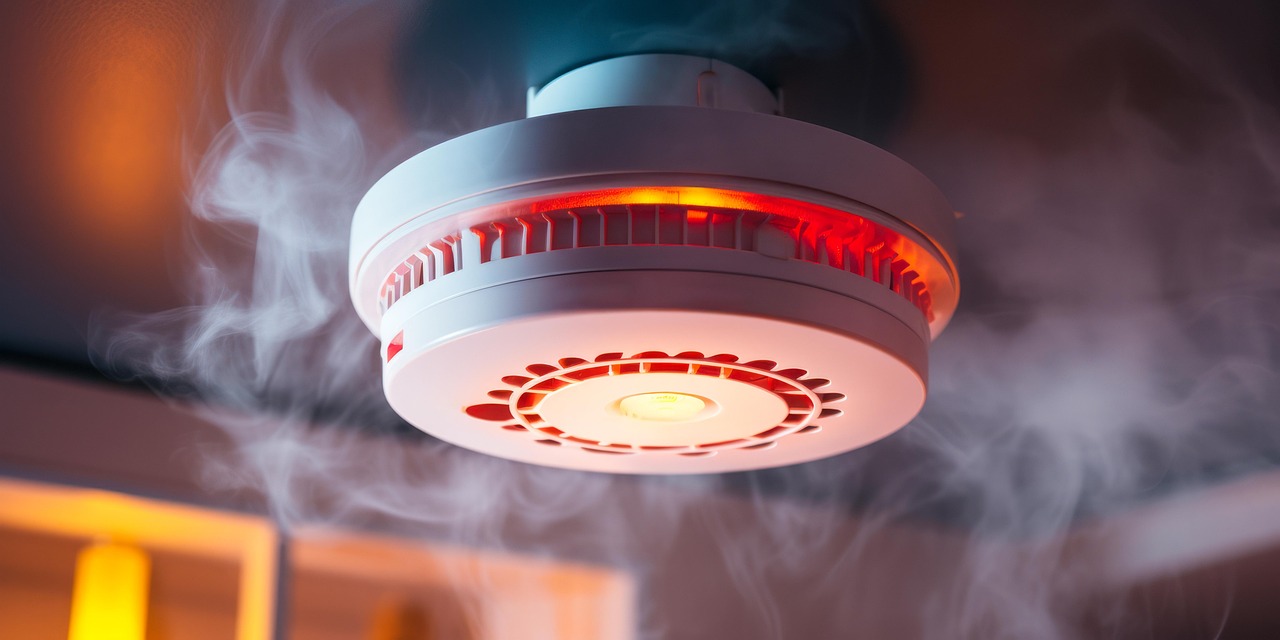
  • Smoke detectors: Optical or ionization sensors.
  • Heat detectors: Trigger at high temperatures.
  • Flame detectors: Detect flames.

Alerting

  • Alarms sound: Loud sirens or bells.
  • Visual alerts: Strobe lights for hearing-impaired.

System Types

  • Conventional: Simple wired systems.
  • Addressable: Pinpoints detector location.

Power Sources

  • Mains power: Primary source.
  • Battery backup: Ensures operation during outages.

Integration

  • Fire suppression systems: Activates sprinklers.
  • Emergency services: Alerts fire departments.

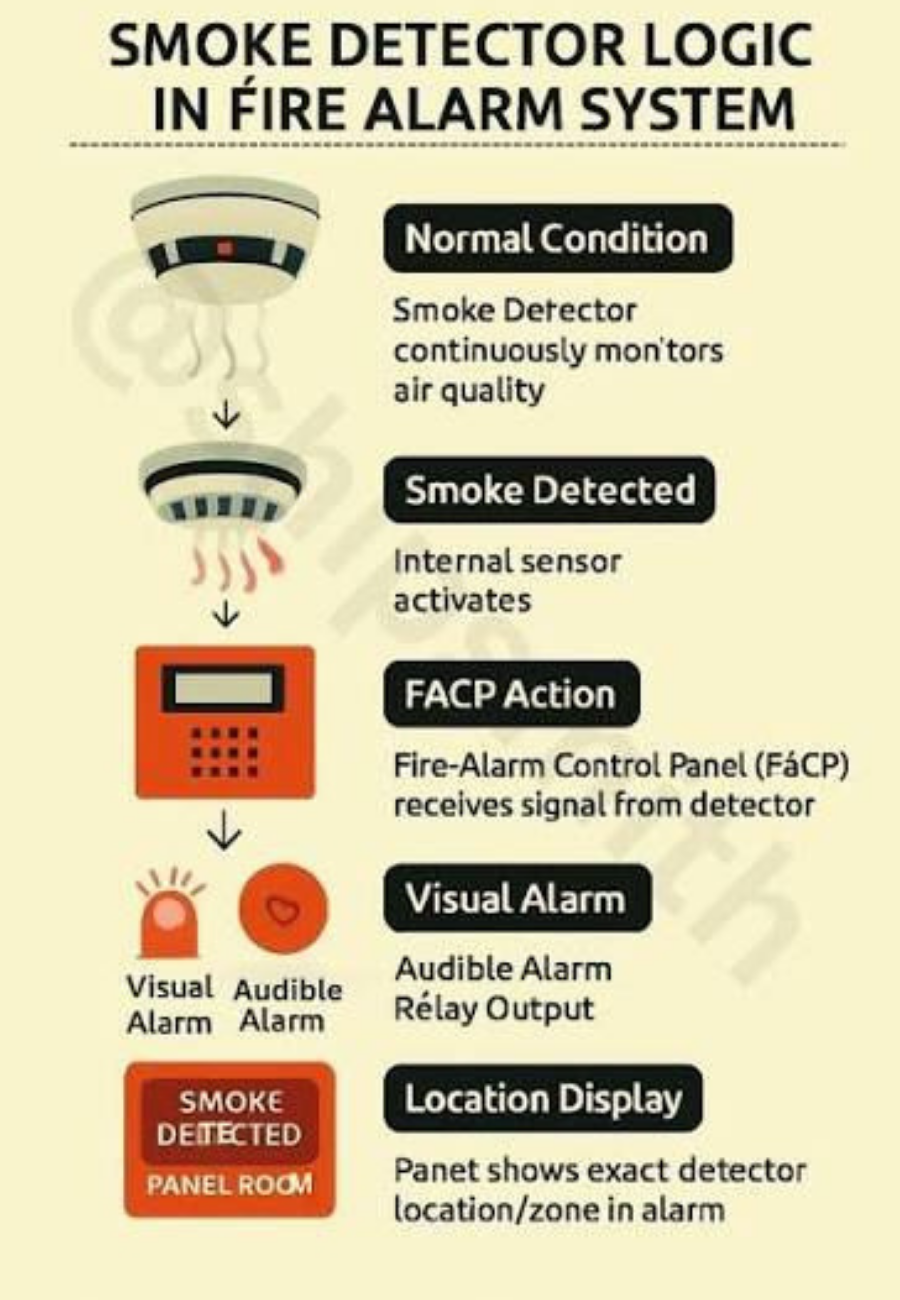
Smoke Detection Workflow

Step-by-step logic showing how smoke detection triggers alarms, control panels, and visual alerts during fire incidents.
Detection FACP Alerts

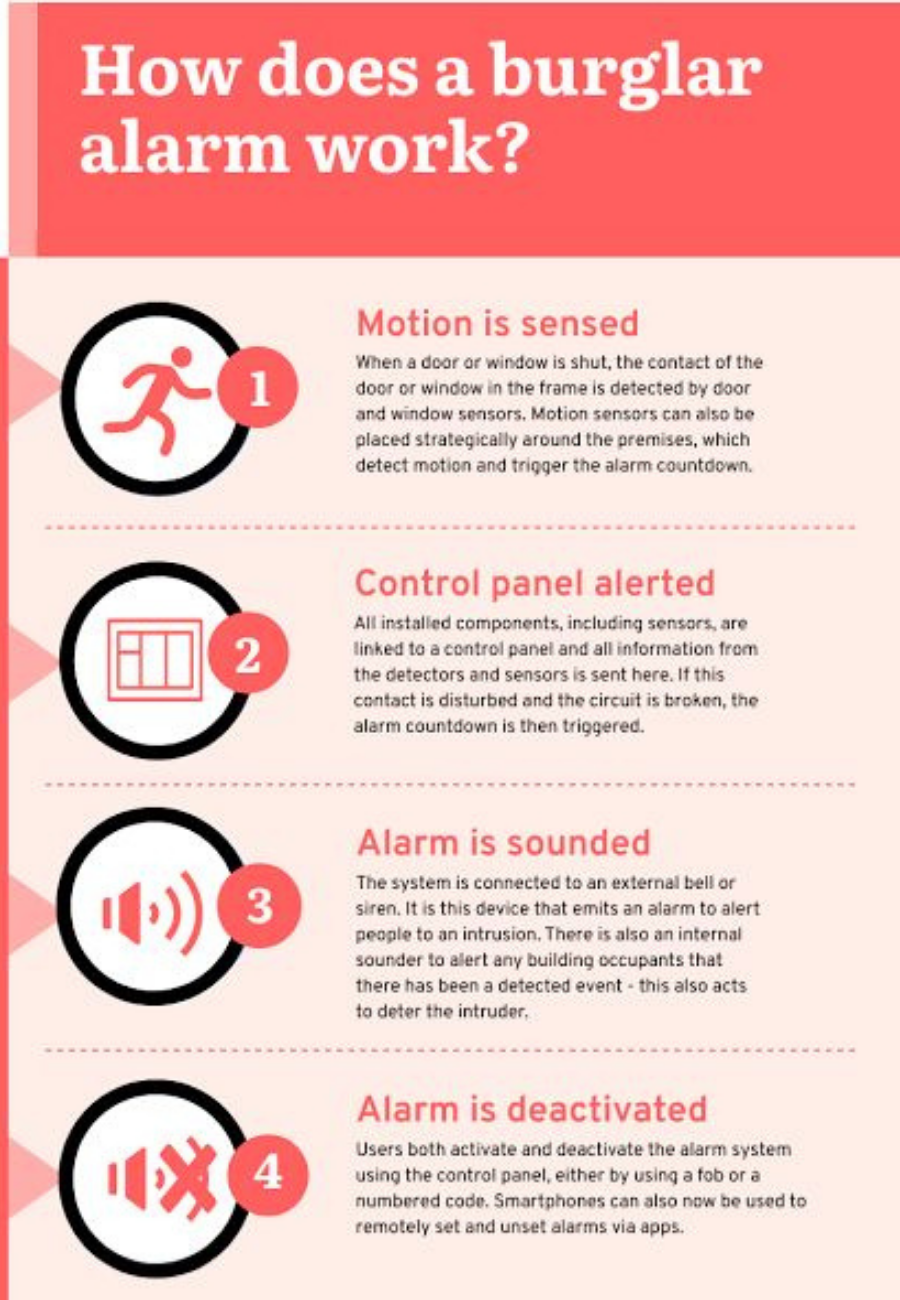
Burglary Alarm System

Motion sensors, control panels, and audible alerts working together to detect intrusion and notify occupants instantly.
Motion Sensor Siren Control Panel
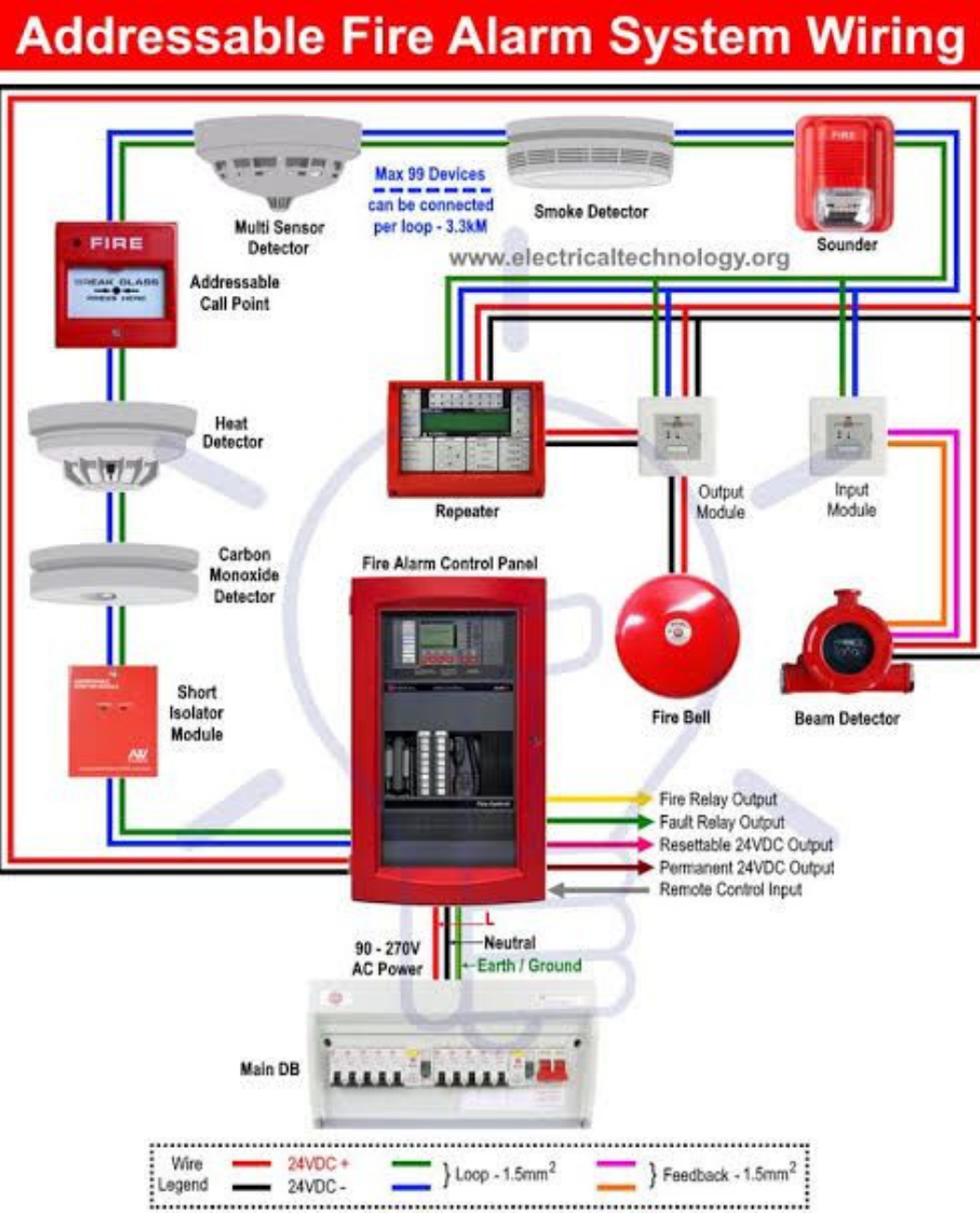
Fire Alarm Wiring Diagram

Addressable Fire Alarm System

An addressable fire alarm setup showing detectors, panels, modules, and communication wiring for precise fire detection.
Smoke Detector Fire Panel Addressable Loop
Access Control System

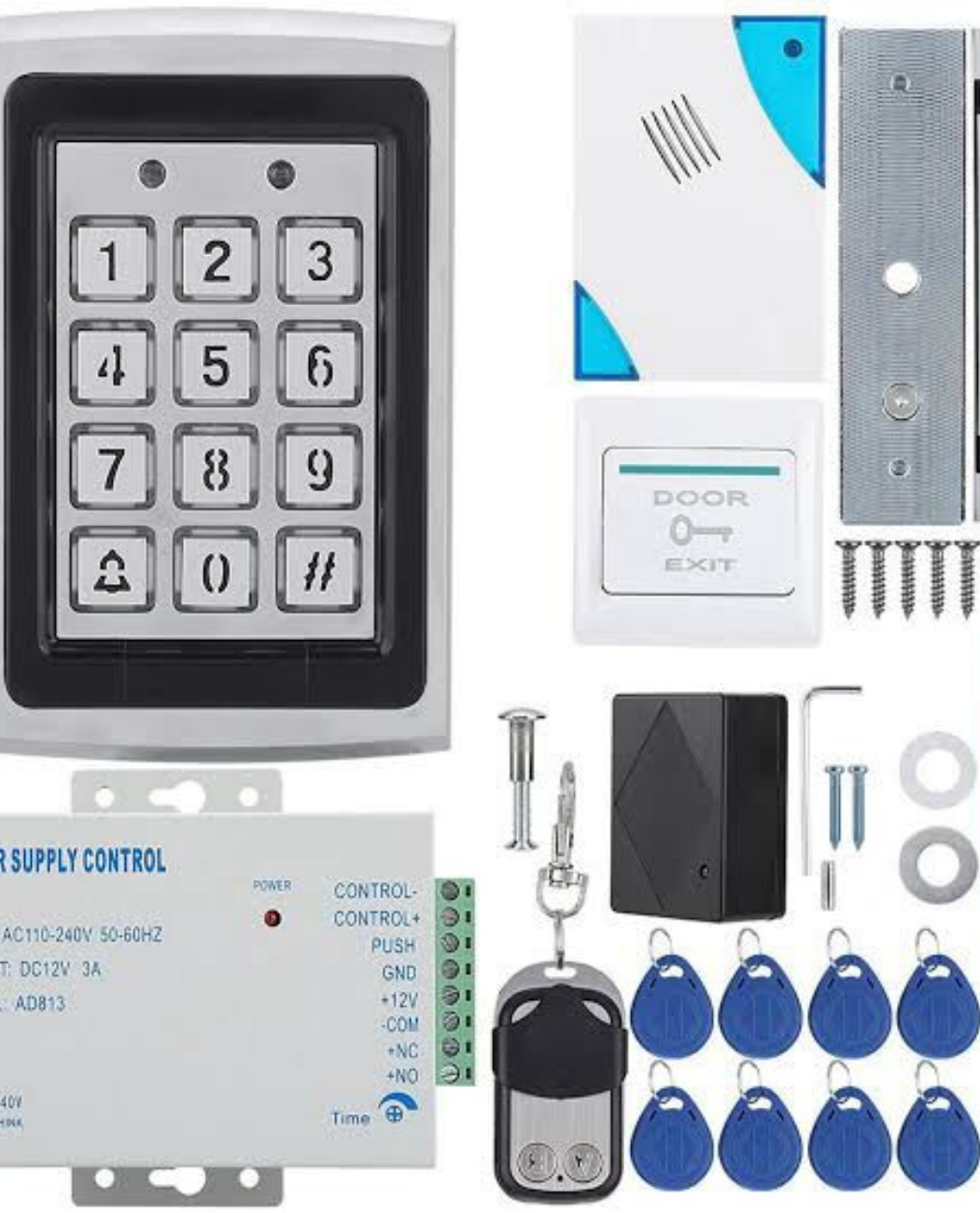
Access Control System

An electronic security solution using magnetic locks and authentication devices to control and monitor access to restricted areas.

Mag Lock RFID Keypad